Keir’s Guide to Kyoto

“Kyoto is the art of being intentional.”
— Mariko Tanaka
A calm, thoughtful guide to one of Japan’s most timeless cities.
Kyoto was Japan’s imperial capital for more than 1,000 years, home to emperors, poets, monks, and artisans. It’s a city shaped by ritual and tradition — from the way tea is prepared to the way gardens are designed with intention. More than 2,000 temples and shrines spread across the city, each with its own story. Wooden machiya homes line narrow streets, and centuries-old craft shops still operate the way they did generations ago.
Even with all of its history, Kyoto feels gentle rather than grand. It’s a place where mornings start quietly, where the air feels softer, and where time seems to slow down. I spent a month living here in 2018, walking the same paths every day, and it quickly became one of my favorite places in the world. Every time I come back, it feels familiar and grounding.
If you want to understand Kyoto beyond the surface, I highly recommend Kyoto Fun Tours. I met Niall, the owner, during my stay in 2018, and I really enjoyed learning more in depth about Kyoto and its history.

Top Things to Do in Kyoto
Arashiyama Bamboo Forest + Monkey Park
Arashiyama has been a retreat since the Heian period, over 1,000 years ago. The bamboo forest is one of Kyoto’s most photographed spots, with tall groves that create a soft, calming echo. Nearby, the Monkey Park offers a short uphill walk to panoramic city views with over 120 wild macaques. Visiting both together makes a perfect morning.
Otagi Nenbutsu-ji
While you’re out at the Bamboo Forest, stop by this small temple filled with hundreds of hand-carved stone heads — each with its own expression. It’s quiet, a little whimsical, and a great addition to a morning in Arashiyama.
Kinkaku-ji (Golden Pavilion)
Originally built in 1397 as the retirement villa of shogun Ashikaga Yoshimitsu, Kinkaku-ji later became a Zen temple. The top two floors are covered entirely in gold leaf, reflecting beautifully over the pond in all seasons.
Fushimi Inari Taisha
Founded in 711, Fushimi Inari is the head shrine of all Inari shrines in Japan. It’s famous for its approximately 10,000 vermilion torii gates, each donated for blessings and prosperity. The lower paths are the most recognizable and easiest to explore.
Nishiki Market
Often called “Kyoto’s Kitchen,” Nishiki Market traces its roots to the 1300s and was officially recognized as a marketplace in 1615. Today it’s a lively food street filled with matcha sweets, yuba, snacks, tea shops, and traditional kitchenware.
Philosopher’s Path
A stone walkway along a cherry tree–lined canal, named after philosopher Nishida Kitaro, who used it for daily meditative walks. It passes by small cafés, craft shops, and local galleries.
Gion District
Kyoto’s historic geisha district, known for its wooden machiya houses and lantern-lit alleys. It’s one of the most atmospheric parts of the city, especially in the early evening.
Kiyomizu-dera
Founded in 778, this UNESCO-listed temple is known for its massive wooden stage built without nails. The veranda overlooks Kyoto, and the surrounding streets (Ninenzaka and Sannenzaka) feel like stepping back in time.
Kennin-ji Temple
Kyoto’s oldest Zen temple, founded in 1202 by the monk Eisai, who introduced Rinzai Zen Buddhism to Japan. The temple features serene gardens and the dramatic twin-dragon ceiling painting.
Gesshō-ji Temple
A quiet, lesser-known Buddhist temple with moss-covered grounds and stone lanterns. It’s peaceful, understated, and away from the crowds.
Kyoto Ryozen Gokoku Shrine (WWII Memorial)
A hillside shrine honoring those who lost their lives in Japan’s wars, including WWII. It includes memorial statues and inscriptions reflecting on Japan’s modern history.
Dress in a Kimono
A traditional way to explore Kyoto’s historic districts. Walking through Gion or Higashiyama in kimono feels especially special.
TeamLab: Biovortex Japan
Recently opened in Kyoto, this 10,000 m² digital art museum features over 50 immersive installations. Light, sound, and movement react to your presence, creating an experience that shifts as you walk through it. It’s a modern, dynamic contrast to Kyoto’s historic temples and a great indoor stop near Kyoto Station.
Take an Art Class (Calligraphy or Kintsugi)
Calligraphy (shodo) dates back to the 6th century and focuses on balance and brushwork. Kintsugi, originating in the 1400s, repairs broken pottery with gold. Both are calming, hands-on ways to learn Japanese craftsmanship.
Take a Cooking Class (Ramen or Sushi)
Kyoto has great small-group cooking classes where you learn proper techniques for ramen, sushi, or home-style dishes. Easy to book through Viator and a fun way to learn Japanese cuisine. Book HERE!
Shopping in Kyoto
Kyoto is known for its traditional craftsmanship, incense, ceramics, textiles, and lacquerware.
Shijo-Dori offers modern boutiques and department stores.
Gion is known for incense (like Shoyeido) and handmade ceramics.
Nishiki Market is great for tea, snacks, knives, and pottery.
Kyoto Handicraft Center offers lacquerware, pottery, and woodblock prints.
Arashiyama has bamboo goods, matcha treats, and small galleries.


Where to Eat in Kyoto
Hikiniku to Come
A small, intimate restaurant specializing in grilled Japanese hambruger patties with rice and condiments. One of the most unique and sought-after dining experiences in the city and my absolute favorite. Book a reservation in advance, or go early in the morning to secure a spot.
Chao Chao Gyoza
A casual favorite known for its thin, crispy, bite-sized gyoza. It’s inexpensive, fast, and delicious, with flavors ranging from classic pork to potato and cheese.
Park Hyatt Kyoto – Yasaka (Signature Restaurant)
The signature restaurant blends theatrical teppanyaki with delicate French techniques, using meticulously sourced Kyoto ingredients. The intimate U-shaped counters overlook Yasaka Pagoda and the Higashiyama hillside, creating a calm, elevated dining atmosphere.
Park Hyatt Kyoto – Kyoto Bistro
A relaxed all-day restaurant serving Japanese and Western comfort dishes. Great for breakfast or a slow lunch. My favorite breakfast dish was the homemade steamed tofu with ginger, leek, and soy sauce — simple, warm, and so comforting.
Monaka-do
A hidden upstairs izakaya that feels like a true local spot. Not trendy – just genuinely great food. I first went in 2018 and fell in love! Favorites are the corn, avocado, and chicken.
Pizzeria Marita
Cozy, low-key, wood-fired pizza with a soft, chewy crust. It’s a one-man operation, so expect a wait, but it’s worth it for simple, perfectly executed Neapolitan-style pies. A great break from Japanese food.
Pizza Studio Tamaki (PST Kyoto)
Known for some of the best Neapolitan pizza in Japan. The Margherita is especially good – airy crust, clean flavors, and perfect blistering. Modern, casual, and consistently delicious.
Kyoyamato
A historic kaiseki restaurant inside a traditional teahouse dating back to the Meiji era. Seasonal dishes, tatami rooms, and garden views reflect classic Kyoto dining at its most traditional.
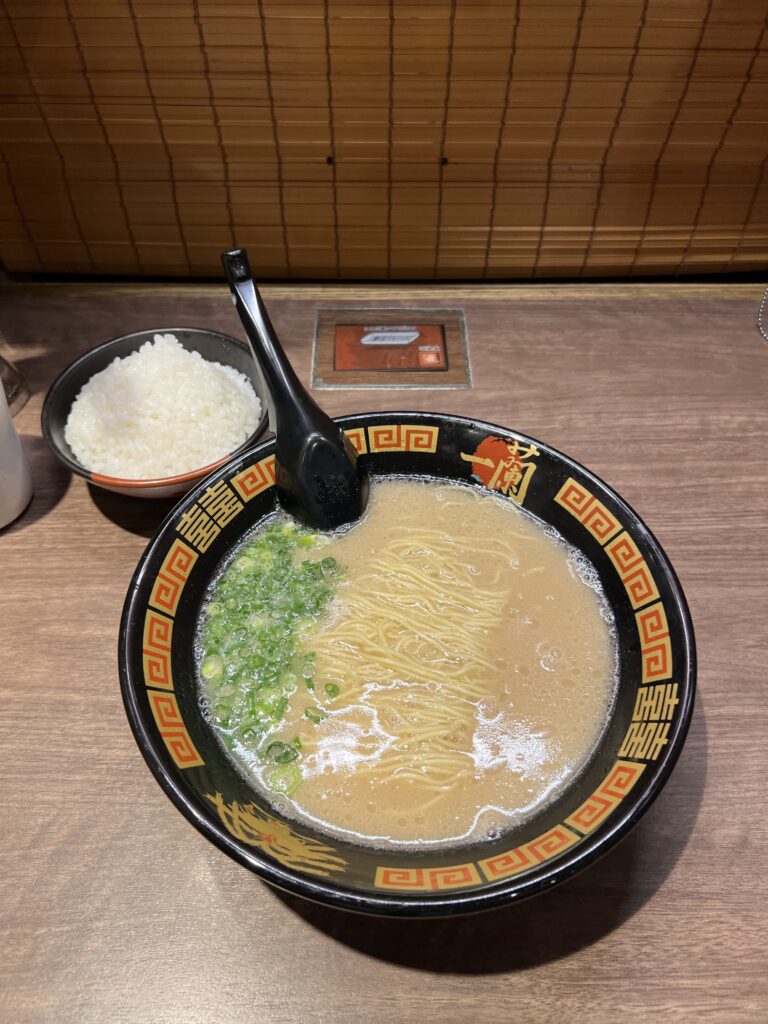
Ichiran Ramen
Famous for its solo-booth ramen and customizable tonkotsu broth. Simple, quick, and comforting – an easy go-to after a day of exploring.
KARA-KUSA Curry
A small counter-style curry shop with about 9 seats. Known for its rich, flavorful Japanese curry and unpretentious neighborhood feel. Cozy and surprisingly memorable.
Kyoto Katsugyu
Home of crispy, tender wagyu katsu that’s packed with flavor. Quick, casual, and ideal for lunch between temple visits, and they give you a small grill so you can cook your own meat, which makes it even more fun.


Where to Stay in Kyoto
If you’re looking for a luxury hotel in Kyoto, I am now partnering with Lounge Couture and Global Travel Collection to help book stays. If you’d like assistance securing a room or want personalized recommendations, feel free to send me a message.
Luxury hotels in Japan blend modern design with deep tradition — quiet architecture, thoughtful service, natural materials, and an emphasis on calm, understated hospitality. Stays here feel intentional, with details rooted in Japanese culture, seasonal cuisine, and views of temples, gardens, or city skylines.
Where to Stay in Kyoto
If you’re looking for a luxury hotel in Kyoto, I’m now partnering with Lounge Couture Travel and Global Travel Collection to help book stays. If you’d like assistance securing a room or want personalized recommendations, feel free to send me a message.
Luxury hotels in Japan blend modern design with deep tradition — quiet architecture, thoughtful service, natural materials, and an emphasis on calm, understated hospitality. Stays here feel intentional, with details rooted in Japanese culture, seasonal cuisine, and views of temples, gardens, or city skylines.
Park Hyatt Kyoto
Modern design blended with traditional Kyoto architecture, set on a hillside with views of Yasaka Pagoda. Calm, minimal, and beautifully done — one of the best luxury stays in the city.
Hotel The Mitsui Kyoto
A refined luxury hotel built around a 17th-century gate. Known for its elegant rooms, private onsen experiences, and peaceful garden setting.
Four Seasons Kyoto
A serene property with a large pond garden and spacious rooms. Feels like a city retreat while still being close to key sights in Higashiyama.
Capella Kyoto (Opening Soon)
A new luxury property bringing Capella’s wellness-focused, contemporary design to Kyoto. Expected to offer a calm, elevated experience.
Aman Kyoto
A secluded forest retreat with minimal, modern architecture. Quiet, serene, and stunning — though farther from central Kyoto, it’s perfect if you want privacy and nature.


Final Thoughts
Kyoto is a city I will always return to calm, beautiful, and full of history. The food, the gardens, the quiet mornings… it all feels intentional. It’s one of my favorite places in the world.


